Reddit plans to restrict Old Reddit access to logged-in users who have used the legacy interface in the previous six months. Moderators are exempt, and the change is framed as a way to curb scraping, not as a shutdown announcement.
The UK government has revised civil-service AI guidance after its earlier energy-saving advice appeared to conflict with ambitions to expand public-sector use. The new emphasis is responsible adoption, with staff still accountable for outputs and decisions.
Google’s threat-intelligence team sees a sharper rise in exploitation of known vulnerabilities than in zero-day attacks. Its concern is that AI tools may make it quicker to turn public vulnerability details into working exploits.
Tenzai won a three-month HackerOne vulnerability-finding contest using AI systems built by China’s Z.ai. The result is evidence of a real cybersecurity use for those models, not a controlled comparison with Claude or GPT.
The proposed AI Agent Accountability Act would seek to make companies criminally and civilly liable for hacking incidents involving AI agents. Its central question is whether existing law already makes responsibility clear.
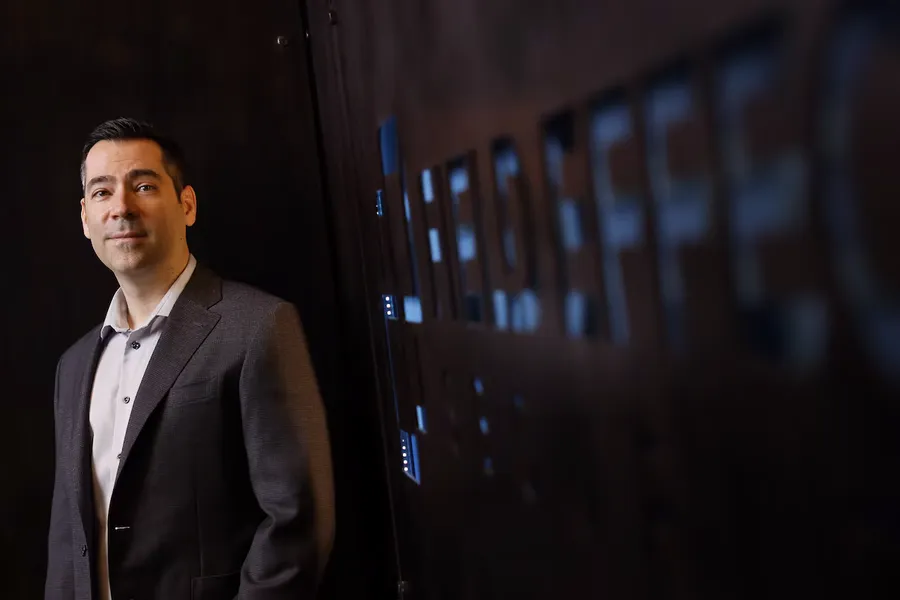
Field Effect introduced controls for employee use of public AI tools and AI features embedded in existing cloud software. The launch coincides with reported customer and revenue growth, but those figures do not measure the tool’s security effectiveness.
DataSnipper CEO Vidya Peters argues that AI in auditing should help address a staffing shortage, not remove auditors from the process. Her account of Alwin emphasizes experienced approval, human review and links from outputs back to source documents.
Meta’s Muse can contact sellers, buy items and negotiate a subscription discount, but those actions require sensitive access and could scale into problems for websites and booking systems. A reported vulnerability was fixed, while questions about data use and the safeguards around agent activity remain.
A Proofpoint investigation found a small phishing campaign aimed at people working on AI regulation, export controls and national strategy. The lures borrowed trusted policy and AI identities, but Proofpoint found no evidence of successful breaches.
Tencent reportedly agreed to a five-year Oracle lease for access to about 100,000 advanced AI chips hosted in Southeast Asia. The arrangement highlights how overseas cloud capacity can provide compute access without moving restricted chips into China.
California has enacted three targeted limits on workplace AI: written notice for AI-linked mass layoffs, a ban on relying on AI to decide to fire someone, and a restriction on biometric-based emotion prediction. The reporting does not specify when the workplace rules take effect or how employers must implement them.